Education and Support
Compassion in Care: Why it Makes All the Difference
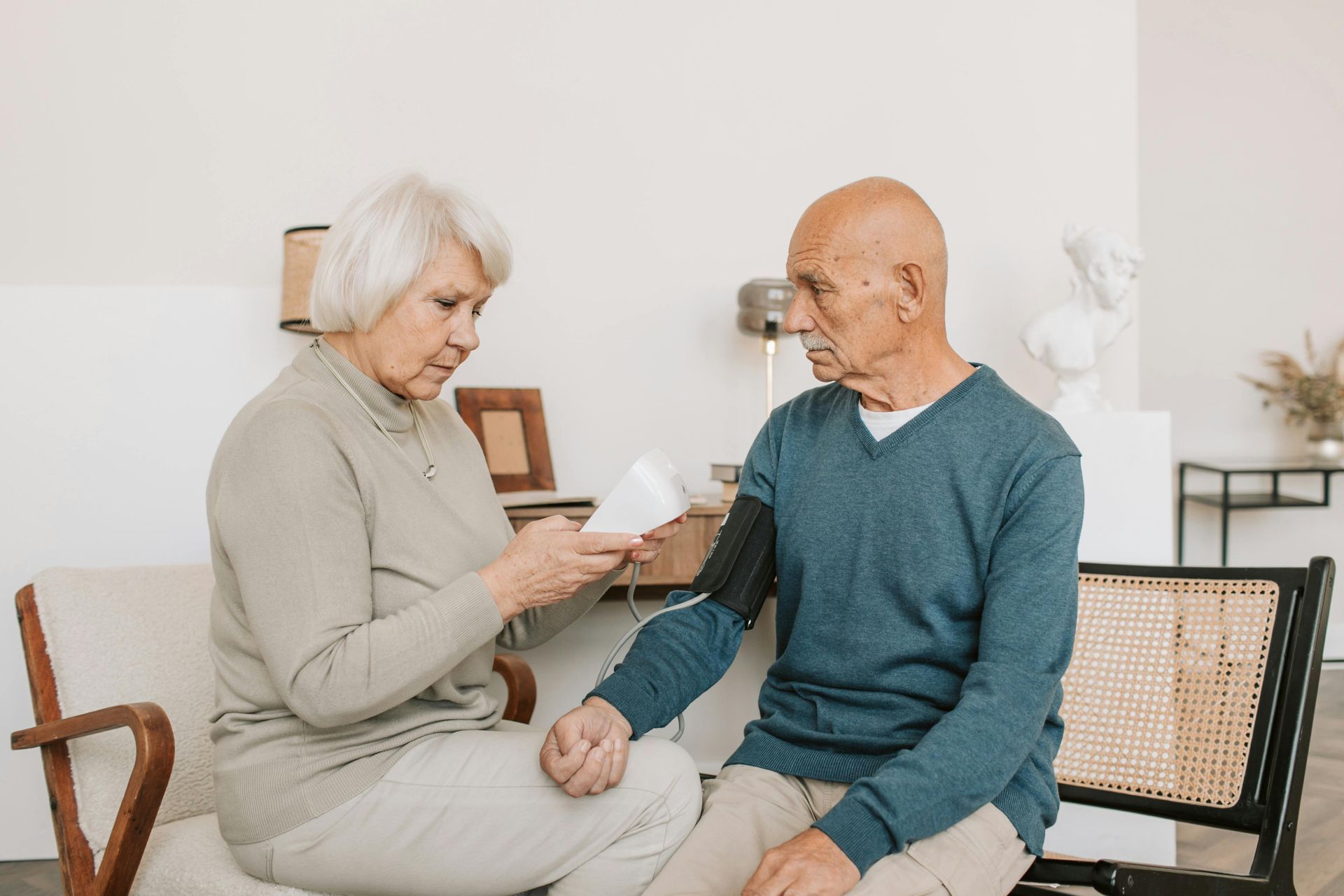
Nurses and caregivers have a vast skill set that they utilize on a daily basis. They educate us when we have questions, nurse us while we heal, and help us attempt to prevent illness in the future. These skills have one thing in common- they are driven by compassion and the desire to help someone who’s in need. We think that compassion is one of the most important skills in home healthcare. We hope that by the end of this article, you will see the significance of this skill and gain a better understanding of the impact of compassion when it comes to care.
Because of the vulnerable nature of giving and receiving care,
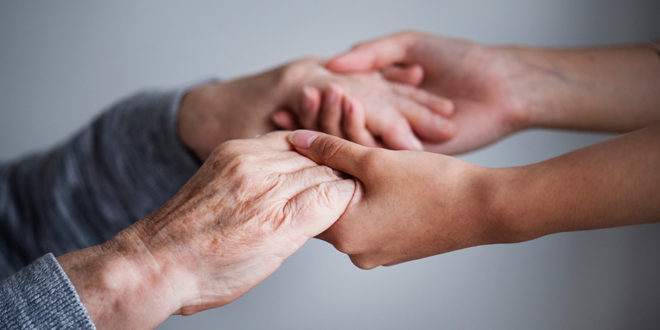
trust becomes the framework of what we do. We work very closely with our patients and their families, becoming intertwined in one of the most personal and private sides of their lives. Compassion is needed when discussing patients' health concerns or other sensitive needs. We aim to create and foster a space of active listening, one that allows our patients to feel seen and heard. In a secure environment, our patients feel comfortable, empowered, and confident discussing their thoughts and needs regarding their care.
Along with building trust, empathy, and a sense of
connection can really make a powerful impact. Studies show that seniors are actually
2 times more likely to experience depression. In-home care offers a unique opportunity to alleviate the loneliness our patients might experience throughout their healthcare journey. Generally speaking, social connections can be beneficial to cognitive health. Studies show that socialization can stimulate attention and memory as well as help to strengthen neural networks. By just being present and socially attentive, we can help strengthen the minds of our patients.
Kindness in care can literally have a
positive impact on recovery. Along with the cognitive benefits of socialization, kindness and empathy can make a big difference in how your patient participates in their care. By simply being kind and encouraging self-compassion, we can improve coping skills, increase motivation, and strengthen the bond between provider and patient. Creating an effective healthcare environment can even influence patient compliance. We often see that a patient is more likely to adhere to their treatment plan when they’re provided a safe, respectful, and collaborative space that promotes
high-quality patient care- which we aim to provide for all those we serve.
On a professional scale, compassion is essential. Oftentimes, there are many moving parts and multiple parties involved in one person’s care. This may include other caregivers, nurses, administrators, or other healthcare agencies. It's important to remember that we are all experiencing the strain of working in the healthcare industry. According to a study done in 2022 by the CDC,
46% of healthcare workers are experiencing burnout. We owe it to our colleagues to treat them with dignity and respect. We all have a shared purpose, which is to care for those in need, especially when that includes a fellow healthcare worker.
Compassion in care should be the standard. With this in mind, patient focused care is bound to follow. We hope that we can inspire you to find ways to incorporate more kindness into your daily routines. If you or a loved one has questions about their care, we are always here to listen and do our best to find a solution together.
Sources:
Fordham Institute Inc- The Heart of Healthcare: Why Compassion Matters as Much as Skills, published 9/16/25
American Association of Colleges of Nursing- Compassionate Care
National Library of Medicine- Compassion in Healthcare: A Narrative Review of Cross-Cultural Perspectives,
published 11/17/25
CDC- Health Workers Facing a Mental Health Crisis, published 10/24/23